Spring 2023 Symposium
C R U E L & M O D E R N P U N I S H M E N T:
The Death Penalty under International Law
Friday, February 24, 2023
12:00 PM — 4:30 PM
speakers
KEYNOTE SPEAKER: THE FUTURE OF DEATH PENALTY
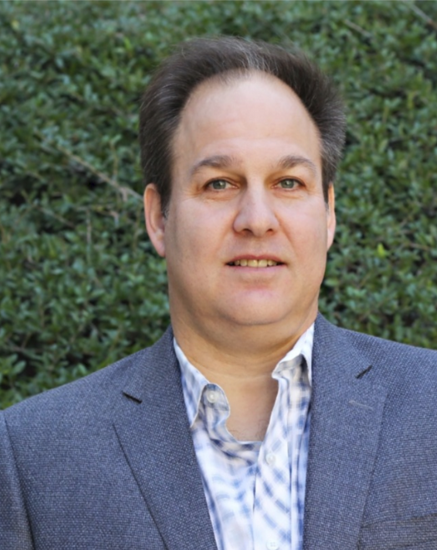
Jordan Steiker
University of Texas Law School
Jordan Steiker is a Professor at the University of Texas Law School, where he serves as director of the Texas Law Capital Punishment Center. He is an expert on capital punishment and has written extensively on constitutional law, federal habeas corpus, and the death penalty, including a co-authored report to the American Law Institute prompting the withdrawal of the death penalty provisions of the Model Penal Code. Before joining Texas Law, Professor Steiker served as a law clerk to Justice Thurgood Marshall of the United States Supreme Court.
PEREMPTORY NORMS JUS COGENS & THE DEATH PENALTY
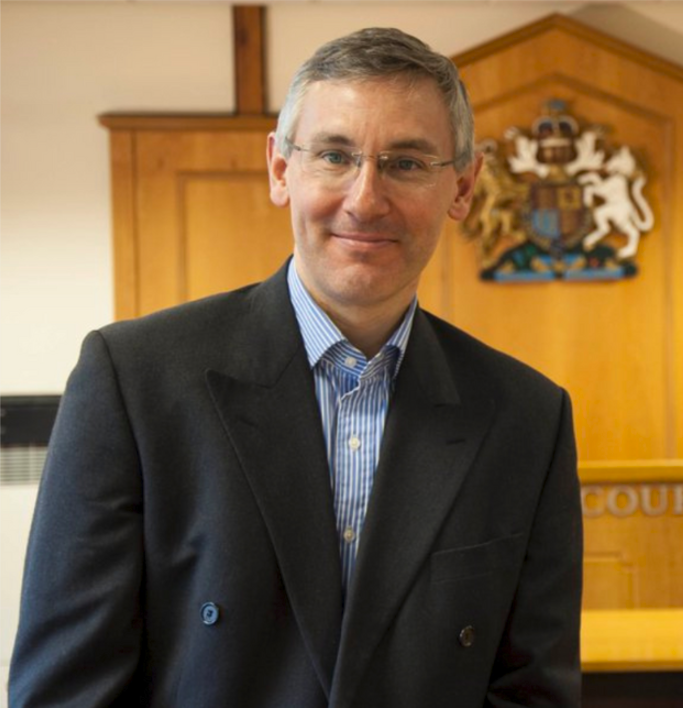
Jon Yorke
Birmingham City University
Jon Yorke is the Professor of Human Rights and the Director of the Centre for Human Rights (CHR) at Birmingham City University (BCU). His qualifications include LL.B. (Hons) (BCU), LL.M. and Ph.D. (Warwick). He currently teaches human rights modules on the LL.B. and LL.M. programmes and is a PhD supervisor for both BCU Graduate Teaching Assistants and the award holders of the AHRC’s Midlands4Cities Consortium.
Professor Yorke is an expert in international human rights law. He has advised the United Nations and the European Union, and numerous governments including, Gambia, Myanmar, Spain and the United Kingdom. He has acted in human rights cases in the United States, Sudan, and the African Commission on Human and Peoples’ Rights, and has submitted amicus curiae briefs in death penalty cases.
BIOETHICS & METHODS OF EXECUTION PANEL

Deborah Denno
Fordham Law School
Deborah Denno is a professor at Fordham Law School and Founding Director of the Neuroscience and Law Center at Fordham Law School. She received her B.A. from the University of Virginia, her M.A. from the University of Toronto, her Ph.D. in sociology with a specialty in criminology from the University of Pennsylvania, and her J.D. from the University of Pennsylvania Law School.
Professor Denno conducted pioneering research on topics such as executions methods, rape law, gender differences, drug offenses, jury decision-making, and the impact of lead poisoning, as well as on criminal law defenses pertaining to insanity, postpartum psychosis, and consciousness. She is often quoted in the media and has appeared on numerous television news reports and documentaries. Professor Denno's impact has also carried over to United States Supreme Court cases.
The Supreme Court has cited seven of Professor Denno's articles. Some articles have been cited multiple times and in different cases, and one article has been cited in three different cases.
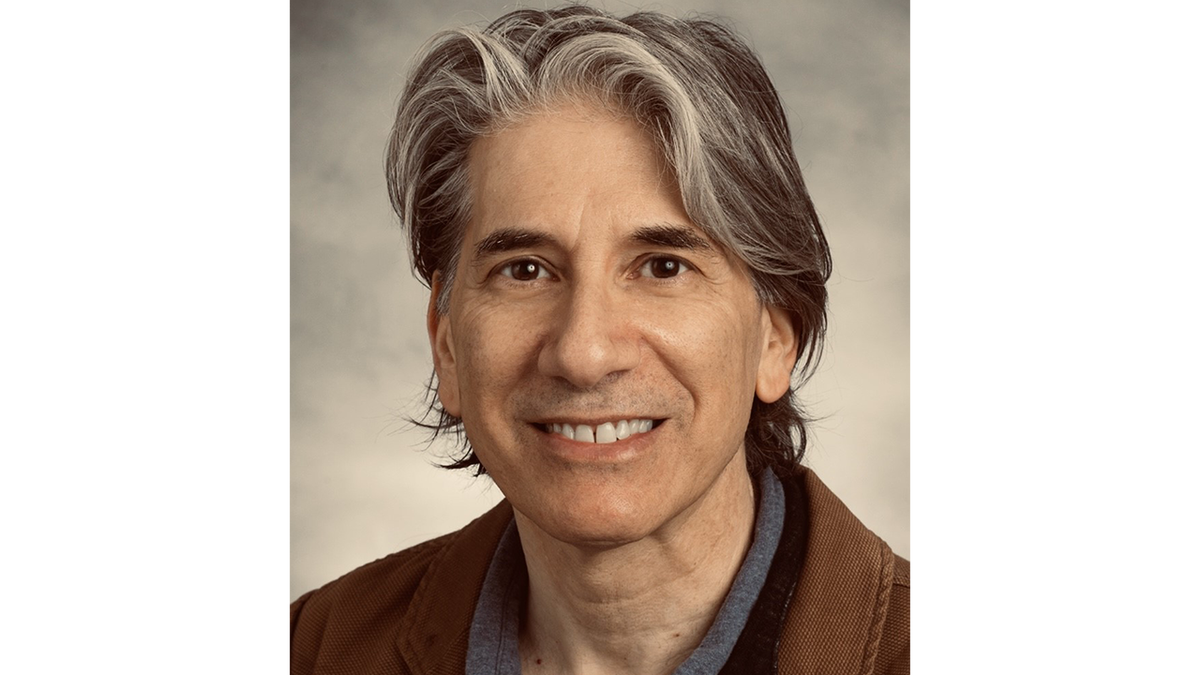
Joel Zivot
Emory University
Dr. Joel B. Zivot has trained and practiced in the US and Canada. His clinical expertise and research are broad and include care of critically ill patients in the OR and ICU, education and scholarly work in bioethics, the anthropology of conflict resolution, pharmaco-economics, and a variety of topics related to anesthesiology/critical care monitoring and practice. Zivot is an expert on physician participation in lethal injection and also is a regular contributor to a variety of print and on-line media sources on subjects related to bioethics, and artificial intelligence.
GENDER & DEATH ROW
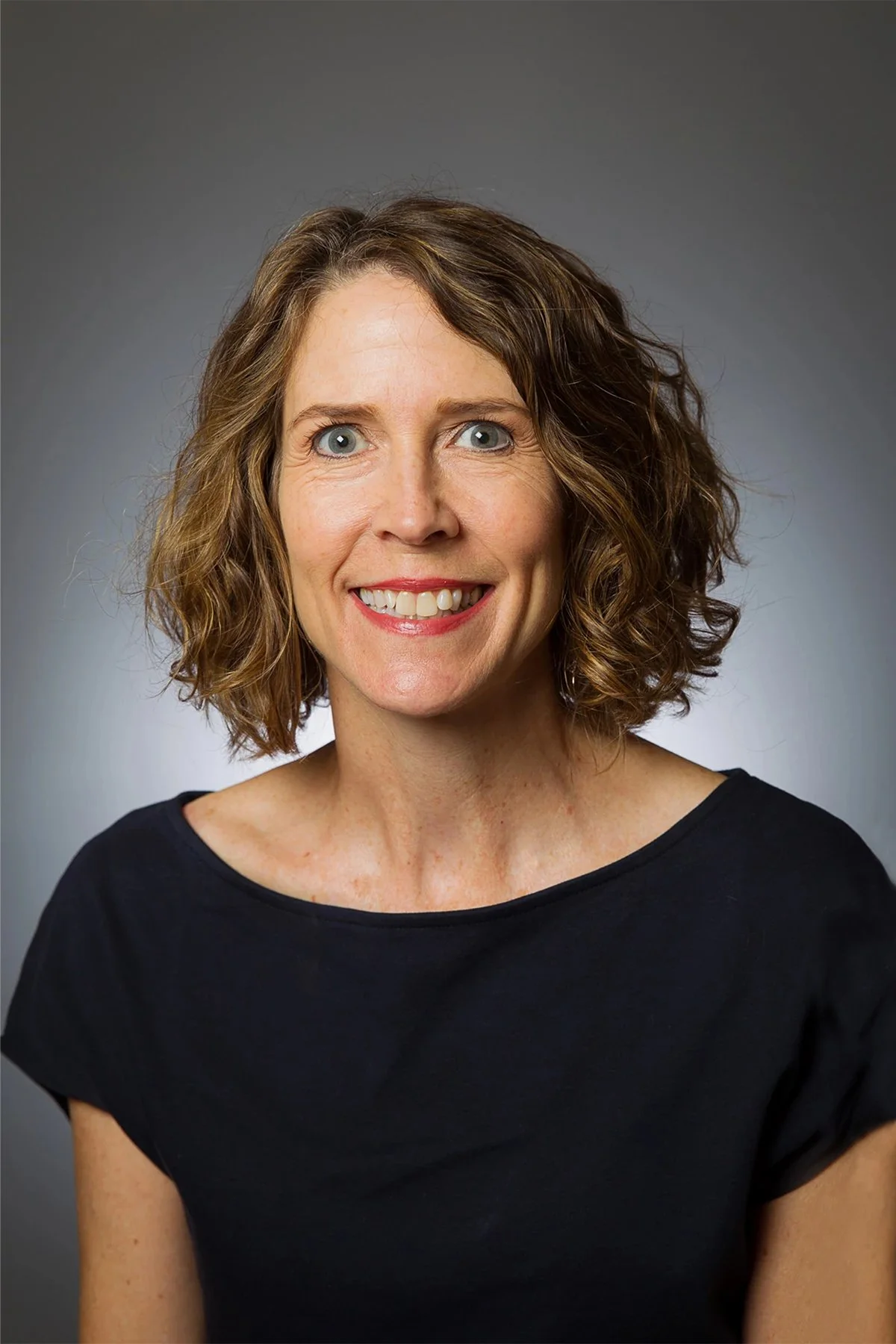
Sandra Babcock
Cornell law School
Sandra Babcock specializes in international human rights litigation, access to justice, death penalty defense, international gender rights, and the application of international law in US courts.
Professor Babcock is the faculty director of the Cornell Center on the Death Penalty Worldwide. Through her clinical teaching, she has spent several years working on access to justice for prisoners in Malawi, where her advocacy has led to the release of more than 250 prisoners-140 of whom were previously sentenced to death. She was the principal architect of the Malawi Resentencing Project, which won the World Justice Challenge in April 2019 in The Hague.
She is also counsel to the Government of Mexico in the cases of Mexican nationals facing the death penalty in the United States, and was Mexico’s counsel before the International Court of Justice in Avena and Other Mexican Nationals. For her work, she was awarded the Aguila Azteca, the highest honor bestowed by the government of Mexico upon citizens of foreign countries, in 2003.
Professor Babcock has argued cases before the International Court of Justice, the Inter-American Court on Human Rights, the Inter-American Commission on Human Rights, the U.S. Court of Appeals for the Fifth Circuit, and the Supreme Courts of California, Texas, Minnesota, and New Mexico.
MODERN BARRIERS TO ABOLITION OF CAPITAL PUNISHMENT
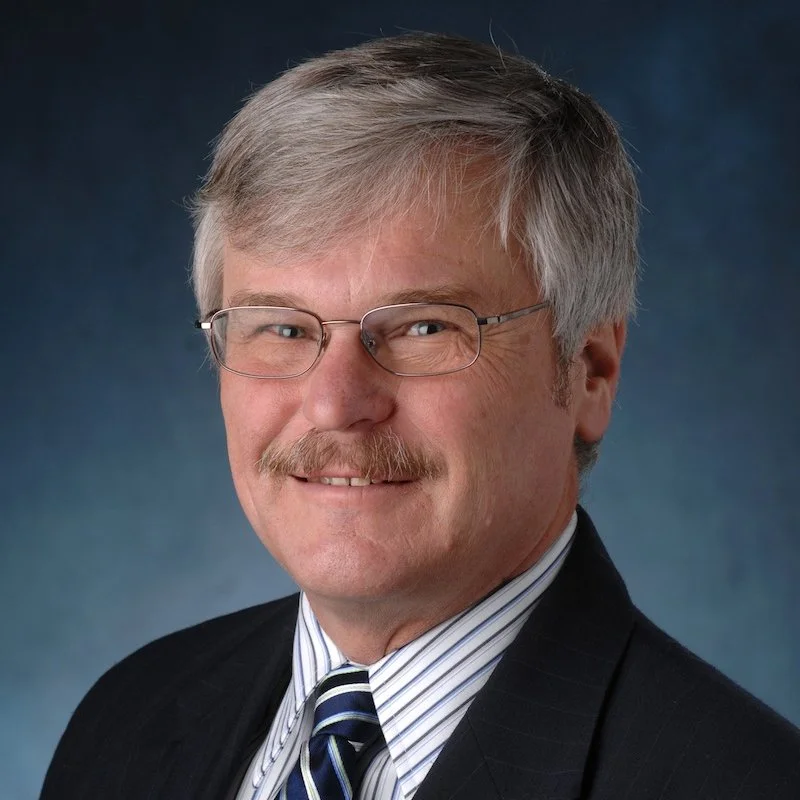
Michael Radelet
university of Colorado Boulder
Michael L. Radelet is professor in the Department of Sociology at the University of Colorado Boulder and faculty affiliate in CU’s Institute of Behavioral Science. For the past thirty-five years his research has focused on capital punishment, especially the problems of erroneous convictions, racial bias, and ethical issues faced by medical personnel who are involved in capital cases and executions. He has testified in approximately seventy-five death penalty cases, before committees of both the US Senate and House of Representatives, and in legislatures in seven states and has worked with scores of death row inmates as well as families of homicide victims. In 2011 he received a Distinguished Alumni Award from Purdue and the William Chambliss Award for Lifetime Achievements in Law and Society from the Society for the Study of Social Problems, and in 2012 he received one of three campus-wide awards for distinguished research from the Boulder Faculty Assembly.
U.S. & INTERNATIONAL ADVOCACY TOWARD ABOLITION PANEL
Amy Bergquist
The Advocates For Human Rights
Amy Bergquist coordinates advocacy at the UN and with regional human rights bodies. Her focus areas include LGBTQI+ rights, discrimination based on sexual orientation/gender identity, rights of minorities and non-citizens, and the death penalty. She also represents The Advocates on the Steering Committee of the World Coalition Against the Death Penalty.
Bergquist is a commissioner on the Minneapolis Commission on Civil Rights. She previously clerked for the Honorable Ruth Bader Ginsburg, Associate Justice of the U.S. Supreme Court, the Honorable William A. Fletcher of the U.S. Court of Appeals for the Ninth Circuit, and the Honorable John R. Tunheim, District Judge of the District of Minnesota. She was an associate at Faegre & Benson, LLP, and received her law degree summa cum laude from the University of Minnesota Law School in 2007.

Claudia Salinas
cA innocence project
Claudia Salinas is a Staff Attorney at The Innocence Center (TIC). Claudia earned a Bachelor of Science in Criminology from California State University, Fresno, followed by her Juris Doctor from California Western School of Law.
Prior to joining TIC, Claudia held positions as a Staff Attorney at the California Innocence Project, as well as roles as a 911 Communications Dispatcher and a District Representative for a California State Senator, reflecting her diverse experience in public service.
At TIC, Claudia not only litigates innocence cases but also draws upon her background as a Board of Parole Panel Attorney to assist clients in navigating the complexities of arguing plausible claims of innocence during suitability hearings for alternative release.
sISTER HELEN PREJEAN’S SPEECH
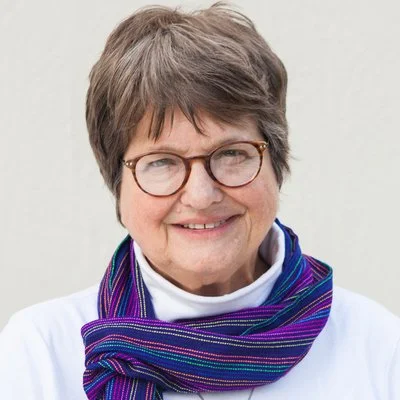
Sister Helen Prejean
Author and Public Speaker
Sister Helen Prejean is known for her work against the death penalty. She has sparked dialogue on capital punishment.
In 1982, Sister Helen moved into the St. Thomas Housing Project in New Orleans. While there, Sister Helen began corresponding with Patrick Sonnier, who had been sentenced to death for murder. Sister Helen was there to witness his execution.
After witnessing executions, Sister Helen decided to write a book titled Dead Man Walking: An Eyewitness Account of the Death Penalty in the United States. The book ignited a national debate on Capital Punishment and it inspired an Academy Award Winning movie, a play, and an opera. Sister Helen embarked on a speaking tour that continues to this day.
Sister Helen continues her work, dividing her time between educating the public, campaigning against the death penalty, counseling individual death row prisoners, and working with murder victims’ family members. Sister Helen’s second book, the Death of Innocents: An Eyewtiness Account of Wrongful Executions, was published in 2004.

